
- THE BUSINESS IDEA
Ultralight Backpacking Gear Reviews
A detailed blog dedicated to reviewing, comparing, and discussing ultralight backpacking equipment, including tents, sleeping bags, cooking systems, packs, footwear, and clothing specifically curated for minimalist hikers.
- Home
- Business Idea
- Ultralight Backpacking Gear Reviews
Get Free Buildable Business Ideas
Join thousands getting free, brand-ready online business ideas — complete with strategy, audience, and monetization plans. 100% free.

- Content-Driven Affiliate Website
- Targets a Highly Passionate Audience
- High Market Demand

OVERVIEW
Behind the idea. Is this a good fit for you?
What makes this idea tick, how it earns, and what it takes to build it.
-
Categories Affiliate & SEO, Niche Affiliate Blogs
-
Difficulty Level Moderate Complexity
-
Revenue Streams Advertising, Affiliate / Referral, Commission, One-Time Sale, Sponsorships
-
Skills Required Content Creation, Copywriting, Design, Marketing, Research, SEO
-
01. Business Concept
-
02. Target Audience & Market Fit
-
03. Revenue Model & Monetization
-
04. Capabilities & Tech Stack
-
05. Marketing, SEO & Traffic Potential
-
06. Competitive Landscape
-
07. Brand Identity & Visual Direction
-
08. Business & Domain Name Ideas
-
09. Launch Plan & Key Milestones
-
10. Growth Opportunities & Expansion Paths
-
Final Summary Statement
COMING SOON..
AUTOMATE THIS BUSINESS WITH AI
Soon, you’ll be able to supercharge this business idea with ready-made AI prompts and automation workflows designed specifically for this model.
From generating high-quality content and marketing copy to producing visuals, research, and outreach assets — these tools will help you move from concept to execution faster than ever.
Everything will be tailored to the unique needs of this business type, so you can skip the guesswork and start building immediately.
Get Free Buildable Business Ideas
Join thousands getting free, brand-ready online business ideas — complete with strategy, audience, and monetization plans. 100% free.
01.
Business Concept
Ultralight Backpacking Gear Reviews is a niche affiliate blog focused on reviewing and analyzing ultralight backpacking equipment tailored to minimalist hikers. It provides in-depth guides, gear comparisons, and performance articles to help outdoor enthusiasts make smarter decisions when selecting lightweight and durable gear for their adventures.
-
Field-tested gear reviews focused on weight, durability, and practicality.
-
Tailored content for minimalist hikers tackling long-distance or remote trails.
-
Monetized via affiliate links to trusted outdoor brands and retailers.
What It Is
Ultralight Backpacking Gear Reviews is a content-driven affiliate website dedicated to the outdoor and hiking niche. It curates honest, performance-focused reviews on tents, packs, apparel, and other ultralight gear. Through SEO-optimized blog posts, gear comparison tables, and comprehensive packing guides, it attracts traffic from search engines and monetizes through affiliate partnerships with popular outdoor equipment retailers. The website operates within the niche-affiliate-blog business model, aiming to become a go-to resource for ultralight backpackers seeking reliable gear insights.
Who It's For
This business targets ultralight backpackers, thru-hikers, and minimalist outdoor enthusiasts who prioritize lightweight and efficient gear for long-distance or remote trekking. These individuals often face challenges balancing functionality, weight, and durability in challenging environments. They actively research before buying and value real-world experience, making them highly receptive to detailed performance reviews and side-by-side gear comparisons created by fellow hikers.
What Makes It Different or Valuable
What sets this business apart is its specialized focus on ultralight gear through hands-on, field-tested experiences. Unlike generic outdoor blogs, it targets a highly passionate, gear-focused community and delivers valuable insights from actual trail use, not just specs. The gear recommendations are tailored to specific trail scenarios, helping readers confidently choose the best items without trial and error. Its focus on SEO-optimized content and genuine affiliate reviews also ensures both authority and earning potential.
02.
Target Audience & Market Fit
Primary Audience Profile
The core audience for Ultralight Backpacking Gear Reviews comprises experienced and aspiring hikers who are deeply committed to minimalist and long-distance trekking. These individuals typically range from their mid-20s to late 40s, are passionate about outdoor adventure, and spend significant time researching gear tailored for weight-saving efficiency. Many are thru-hikers tackling trails like the Appalachian Trail, Pacific Crest Trail, or Continental Divide Trail. They value data-driven reviews, rely on peer recommendations, and often participate in hiking forums or social groups. Their goals include optimizing their packs, increasing trail mileage, and reducing physical strain without sacrificing functionality.
User Needs & Pain Points
This audience seeks trustworthy, real-world-tested information to help them choose gear that’s lightweight, durable, and functional in diverse trail conditions. They’re frustrated by the overwhelming number of gear options, often marketed without practical insight. Many have made poor purchases based on specs alone and now crave content that reflects on-the-trail performance. Common pain points include gear that fails in harsh environments, packs that don’t balance well, or tents that become liabilities in wind or rain. They also desire detailed packing strategies, cost-effective gear comparisons, and evidence-based guidance tailored to specific environments and hikes.
Audience Segments
Ultralight hiking attracts a broad but focused user base with several distinct niches.

Evidence of Market Demand
The growing popularity of long-distance trails and minimalist travel has created an active and consistent demand for ultralight backpacking gear reviews. There are vibrant online communities, countless gear-related YouTube channels, and explosive growth in niche subreddits and forums where gear discussions dominate. Additionally, Google Trends shows sustained interest in keywords like “ultralight tent review,” “thru-hiking gear list,” and “lightest backpacking stove.” This consistent search traffic and user engagement confirms a healthy market for specialized content targeting this segment.
-
r/Ultralight on Reddit has over 900,000 members actively sharing gear lists and experiences.
-
Gear comparison videos and torture tests on YouTube often receive tens of thousands of views each.
-
Outdoor gear retailers regularly feature "ultralight" categories, reflecting high product demand and buyer interest.
The data clearly show that the ultralight backpacking niche is thriving, with a highly engaged audience that actively seeks trustworthy, field-tested content—making this blog directly aligned with a strong market fit.
03.
Revenue Model & Monetization
Primary Revenue Streams
Ultralight Backpacking Gear Reviews earns revenue primarily through affiliate marketing, which aligns seamlessly with its content-driven mission. By recommending high-quality, field-tested gear and linking to trusted outdoor retailers, the site earns commissions on purchases made via those links. This allows the blog to remain free for users while generating profit through targeted traffic.
-
Affiliate links to specialized gear retailers like REI, Backcountry, and Cottage Industry brands such as Hyperlite Mountain Gear or Gossamer Gear.
-
Commission-based relationships with Amazon for broader gear access and purchase convenience.
-
SEO-focused product roundups and comparison guides that generate high-converting referral traffic.
Affiliate marketing is an ideal revenue driver for a gear review site rooted in honest, experience-based recommendations. Its scalability, passive income potential, and direct alignment with search-driven content make it a reliable pillar for long-term monetization.


Secondary or Optional Revenue Streams
While affiliate earnings form the core income, the site has opportunities to expand into other forms of monetization that can complement growth and deepen engagement.
-
Sponsored gear reviews or paid content partnerships with outdoor brands seeking exposure to a niche, loyal audience.
-
Launching premium downloadable trail guides and gear checklists tailored to specific trails or regions.
-
Offering limited-run branded merchandise such as minimalist hiking apparel or ultralight accessories.
-
Running contextual ads (Google AdSense or Mediavine) to monetize high-traffic informational posts not heavily product-focused.
These additional revenue streams provide flexibility to diversify income as the blog grows, while strengthening credibility and audience trust by maintaining the site’s core gear-first ethos.
Revenue Streams
Primary and secondary income sources that support the business model.
Primary
Secondary
Advertising
Generate income from on-site or in-app ads — programmatic or direct-sold.
–
Affiliate / Referral
Earn a commission by referring traffic or customers to third-party products.
–
Commission
Earn a percentage of each transaction between two other parties.
–
Freemium / Paid Upsell
Offer a free version, then monetize via upgrades, add-ons, or premium tiers.
–
–
Licensing / White-Label
Charge others to use or rebrand your product, system, or content legally.
–
–
One-Time Sale
Customers pay once for access — ideal for digital downloads, templates, or one-off services.
–
Pay-Per-Use / Credit Model
Users pay based on usage (e.g., API calls, AI generations, job posts).
–
–
Service-Based Revenue
Charge for execution, delivery, or consulting — either productized or custom.
–
–
Sponsorships
Get paid by brands to feature, mention, or promote them in your content or platform.
–
Subscription / Recurring
Ongoing payments at regular intervals — monthly, yearly, or usage-based.
–
–
Revenue Timing & Scalability
The site can begin earning modest affiliate commissions within the first few months, once traffic builds through foundational content and SEO gains traction. Realistic income typically begins after 3–6 months, with scaling potential increasing as more high-intent keywords are targeted and evergreen content matures. Since affiliate links and SEO work scale with traffic, the revenue can grow nearly exponentially with consistent content production and authority-building. As organic reach improves, older posts continue to generate revenue passively, creating a compounding monetization effect over time. Overall, the business model scales well with content volume and rankings, making it a long-term, sustainable opportunity.
Limitations, Risks or Dependencies
The business is heavily dependent on search engine traffic and existing affiliate platforms. Changes in Google’s algorithm could drastically impact traffic and revenue. Similarly, adjustments to affiliate commission structures (e.g., reduced rates from Amazon) pose a risk. The niche nature of ultralight backpacking gear can also limit mass appeal, affecting volume potential. Additionally, being reliant on third-party platforms like YouTube or social media for visibility carries the usual risks of algorithm shifts or terms-of-service changes. Lastly, authenticity is critical—any sacrifice in content trustworthiness for revenue gains could alienate the core audience and damage long-term trust.
04.
Capabilities & Tech Stack
Foundations for Building This Business
Running Ultralight Backpacking Gear Reviews requires a mix of content creation skills, SEO knowledge, and outdoor expertise. Successful execution depends on regularly publishing in-depth, honest reviews and comparison guides that resonate with minimalist hikers. Foundational skills include blog management, affiliate integration, and an eye for UX that encourages conversions. Time and effort must be invested upfront to test gear, capture high-quality visuals, and build topical authority. Over time, the right tools, workflow automation, and strategic outsourcing can dramatically improve consistency, reach, and profitability.
Core Skills Required
To succeed with Ultralight Backpacking Gear Reviews, one must possess a blend of editorial insight and technical capability. Content must be trustworthy, well-written, optimized for discovery, and informed by real trail use. These six skills form the backbone of long-term success:
Supplementary Skills
While optional, advanced skills can significantly streamline operations and expand the site’s reach. Knowledge of email marketing allows for direct audience communication and return traffic. Experience with video editing or YouTube strategy opens alternative content channels and monetization platforms. Expertise in link building can speed SEO traction. Familiarity with automation via tools like Zapier or AI writing assistants accelerates workflow. Lastly, affiliate negotiation skills may unlock higher commission tiers or exclusive deals once traffic grows.
Key Tools & Platforms
This business lives or dies by its ability to attract and monetize traffic. These six tools are critical infrastructure for its operation:
-
WordPress CMS
Flexible blogging platform for publishing, managing, and updating all content efficiently.
-
Google Search Console
Tracks keyword rankings, indexing issues, and on-site SEO health crucial for organic growth.
-
Amazon Associates
Essential affiliate program enabling monetization from a broad range of ultralight gear purchases.
-
Affilimate
Affiliate link management and performance tracking platform that unifies and optimizes revenue reporting.
-
Ahrefs / SEMrush
Keyword research and competitive analysis tools critical for designing SEO-driven content strategies.
-
Google Analytics
Measures traffic behavior and converts insight into strategies for monetization and engagement.
Outsource Potential
Several roles can be outsourced for Ultralight Backpacking Gear Reviews. Freelance writers familiar with outdoor content can help scale reviews once gear insights are provided. SEO specialists can assist with keyword mapping or audit performance. Virtual assistants may update links, format posts, or manage outreach. Trail-tested creators can be contracted to field test gear in exchange for content. AI tools can assist with content outlining and meta generation, especially when supervised by knowledgeable editors.
Setup Complexity & Learning Curve
This business is moderately technical but very approachable for solo creators willing to learn. Beginners can lean into templates and plugins to reduce complexity, while those with blogging or SEO experience will thrive quickly. Knowledge of outdoor gear and the hiking lifestyle remains crucial. Ideal for passionate hobbyists, marketers, or creators passionate about backpacking and gear tinkering, the learning curve becomes a strength—not a barrier—when built on genuine experience.
05.
Marketing, SEO & Traffic Potential
Primary Marketing Channels
Reaching ultralight backpackers and gear enthusiasts requires a mix of organic and community-based marketing strategies. These audiences are often deeply engaged in forums, search for highly specific gear questions, and follow influencers or brands closely. The best growth channels combine authority-building long-form content with community interactions and search intent optimization.
-
Organic search (SEO) targeting informational and commercial-intent gear queries.
-
Reddit and niche forums like r/Ultralight for content sharing and feedback loops.
-
YouTube reviews and walkthroughs cross-linked with blog content.
-
Pinterest for high-traffic seasonal gear lists and visual packing guides.
SEO Strategy & Positioning
SEO is the foundation of Ultralight Backpacking Gear Reviews' growth. The blog will focus on bottom- and mid-funnel long-tail keywords with strong purchase intent, such as “best ultralight tent for Appalachian Trail.” A cluster keyword approach will be used to establish topical authority in subcategories like shelters, packs, and sleep systems. Each pillar guide or roundup will lead to in-depth single product reviews, packing comparisons, or brand breakdowns. Internal linking, structured data, and consistent publication schedules will help improve crawlability and domain strength over time.
These example long-tail keywords target specific, high-intent queries.
-
Best ultralight backpacking stove for thru-hiking targets gear seekers with high conversion potential
-
Durability test of Dyneema tents in rain combines material/key feature with use-case insight
-
Ultralight sleeping bag under 2 lbs for cold nights balances weight limits with performance needs
-
Hyperlite Mountain Gear pack comparison attracts both branded and comparative keyword traffic
-
Minimalist cooking setup for solo hikers appeals to minimalists looking for compact solutions
Traffic Growth Potential
Traffic potential is high via search, especially as evergreen review content compounds over time. Each article addressing specific gear needs or comparisons brings in consistent organic visits. Seasonal shifts in gear interest (spring hiking boom, fall gear updates) allow for traffic spikes. Re-optimizing content and creating internal link hubs can further boost older pages. As the site gains authority, it can explore broader traffic areas like packing philosophies, ultralight food planning, or gear for beginners, expanding reach into adjacent interests.
Suggested Content Types or Campaigns
Highly performative content formats include “best of” gear roundups, trail-specific packing guides, side-by-side comparisons, and gear durability tests. Seasonal buying guides (e.g., “Spring 2024 Ultralight Gear List”) and challenge-based content like “X gear under 5 lbs” offer unique angles. Campaigns tied to major trail seasons, gear releases, or community polls can also drive links and shares. Integration with user-generated content such as guest trail pack lists or field reports will add credibility and dynamism.
Marketing Challenges or Considerations
The site will gain backlinks through a mix of passive and active tactics. Passive efforts include publishing highly credible, data-driven reviews and comparison charts that others cite naturally. Active outreach will include offering guest posts to related outdoor blogs, pitching field-tested content to gear forums, and engaging in expert roundup collaborations. Resource pages and packing list inclusions from ultralight hiking communities present another link opportunity. Leveraging Reddit feedback loops could yield viral traction and inbound links as well.
06.
Competitive Landscape
Market Saturation
The ultralight backpacking gear review market is niche but growing in visibility. While general outdoor gear content is saturated with major retailers and broad review sites, the specialized focus on field-tested ultralight equipment for minimalist backpackers is still somewhat underserved. A few authoritative voices dominate the conversation, but there remains room for growth, especially for authentic, trail-experienced reviews. As demand rises for lighter, performance-oriented gear, there's a notable opportunity for expert-driven affiliate content to stand out with depth and trustworthiness.
Notable Competitors
Several established blogs and YouTube channels currently produce content in the ultralight backpacking space, offering gear reviews from various angles:
CleverHiker
Offers polished gear roundups and beginner-friendly ultralight tips through reviews and YouTube videos.
Section Hiker
Focuses on solo backpacking and detailed gear breakdowns with an engineer-like approach.
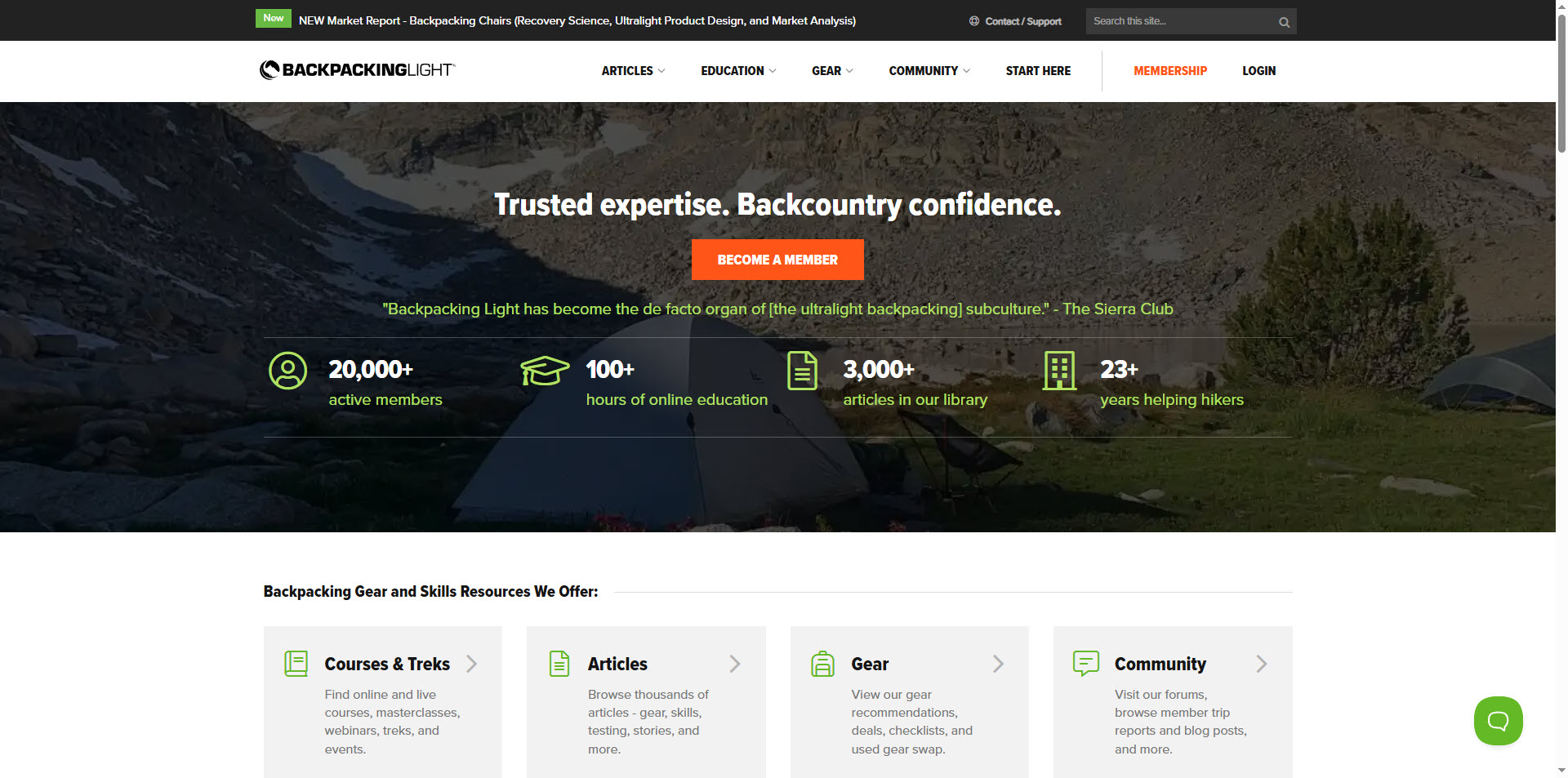
Backpacking Light
A premium content site with scientific testing and weight-first analysis for advanced hikers.


REI Co-op Journal
Institutional voice covering outdoor topics, including gear lists and beginner ultralight guides.
OutdoorGearLab
Known for comparative tests and scoring systems across various lightweight categories.
Darwin on the Trail
A YouTube-first creator delivering hands-on gear reviews and personal trekking insights.
Competitor Highlights
Top players are succeeding by leveraging credibility, community connection, and extensive testing:
What Competitors Do Well
Leading competitors excel in delivering gear content that feels trustworthy, either through professional presentation, creator personality, or scientific rigor. Their strengths include extensive test-based reviews, strong personal branding, use of YouTube and SEO together, and consistent content schedules. They also capitalize on seasonal gear guides, use effective CTAs for affiliate conversions, and maintain high production values or depth of knowledge to keep audiences loyal and engaged.
What They’re Missing
Most competitors cover the space broadly, leaving room for a more focused, performance-driven blog:
-
Lack of gear advice tailored to specific trail environments or seasonal use cases.
-
Many reviews rely on specs and lab metrics over extended real-world trail use.
-
Limited emphasis on true minimalist strategies and ultralight systems under budget constraints.
Differentiation Opportunities
Ultralight Backpacking Gear Reviews can carve its niche by delivering deeply field-tested, trail-specific content tailored to the ultralight and minimalist hiker. By showcasing packing systems for iconic trails, incorporating weight-to-function tradeoffs, and aligning gear to actual use scenarios, it offers authenticity that spec-based or marketing-driven content lacks. The brand voice can focus on "functional minimalism" with real-life experimentation, user challenges, and visual packing data. A lean, expert-driven tone—paired with simple comparison visuals—will resonate with the gear-obsessed but skeptical hiker looking for unbiased experience over influencer hype.
07.
Brand Identity & Visual Direction
Brand Personality
Ultralight Backpacking Gear Reviews embodies the spirit of purposeful minimalism mixed with rugged authenticity. The tone is clear, confident, and practical — informed by real experiences on the trail rather than marketing fluff. It values function over flash, guiding readers with tested, honest advice in a grounded and inclusive voice. The brand reflects the resilience and ingenuity of hikers who live out of their packs and measure success in grams saved without compromising safety. Readers should feel empowered, supported, and inspired to hike lighter — and smarter — through reliable, no-nonsense content.
Voice & Tone
Across the website, social channels, emails, and support materials, the brand should maintain a grounded but insightful tone that speaks peer-to-peer, never from a corporate perch. Copy should prioritize clarity, usability, and confidence — reflecting knowledge gained from real-world testing. The voice aims to educate without overwhelming, inspire without hype.
-
Earth-Toned Minimalism – Neutral, grounded palettes with natural greens, browns, and grays evoke outdoor simplicity and trust.
-
Trail-Worn Utility – Visuals and layout reflect worn-in textures, topographic lines, and handwritten annotations — like a seasoned field journal.
-
Clean & Modular – A functional, grid-based design prioritizes legibility and mobile response for readers on the go.
-
Weight-First Design – Sparse, intentional use of negative space represents the light-is-right mindset in both aesthetic and structure.
-
Performance Contrast – Dark headers with crisp white content spaces create strong visual contrast while hinting at night-and-day challenges on the trail.
Suggested Brand Colors
Color should reflect nature, clarity, and trust — aligning with backcountry environments and gear culture. Colors should be subdued but strong, balancing earthiness with readability.
-
Forest-inspired hues convey connection to nature and evoke trail environments.
-
Muted tones avoid overpowering visuals and support a minimalist approach.
-
Contrasting accents help highlight key gear recommendations and CTAs.
#2C3E2F
#91A58D
#E3E2DA
#3B3B3B
Typography Direction
Typography for this brand should echo the strategic, function-first philosophy of ultralight backpacking gear. Fonts must balance approachability with technical credibility.
-
Clear, readable type with rugged personality and modern polish.
-
Headlines that feel strong and confident, without being overly styled.
-
Body text optimized for long-form readability and mobile display.
Logo Design Inspiration
Here are three logo styles that reflect the brand’s tone, flexibility, and clarity. Each example showcases a different approach that could inspire a clean, professional, and memorable visual identity.

Design 1

Design 2

Design 3
First Impression or Tagline Ideas
In the ultralight backpacking world, a strong first impression must resonate with practicality, purpose, and credibility at a glance. A memorable tagline distills the brand's value while piquing curiosity and trust — ideally in a way that mirrors the minimalism it promotes.
Example taglines.
-
“Less weight. More miles. Every decision tested.”
-
“Trail-tested gear wisdom for serious minimalists.”
-
“Where performance packs light and truth hits hard.”
Bringing the Brand Together
Ultralight Backpacking Gear Reviews delivers a cohesive identity through a practical, minimal visual language and a tone rooted in credibility and camaraderie. From subdued natural colors and crisp modular design to straightforward headlines and well-thought copy, every element of the brand reflects the core user’s mindset: trust built on experience, and weight-saving backed by rugged proof. Together, the voice, visuals, and style create an inviting yet expert-driven place where trail-curious hikers become confident gear minimalists.
08.
Business & Domain Name Ideas
Naming Style Direction
The name for Ultralight Backpacking Gear Reviews should evoke clarity, trust, and performance with a minimalist edge. It must sound credible to experienced hikers yet approachable for those early in their ultralight journey. The style should lean toward functional and descriptive with clean, memorable wording—a name that implies reliability, smart decision-making, and an obsession with weight-saving. A tone of rugged simplicity paired with analytical precision is ideal. Avoid overly clever or whimsical names that could dilute the brand's field-tested authority.
Name Generation Themes
Developing a memorable and effective name for this business involves exploring several angles that blend utility, originality, and SEO-friendliness.
Sample Business Names
Choosing the right brand name sets the tone for your audience and reflects your business's purpose from the start.
-
Trail Weight Reviews Emphasizes pack weight optimization as the core value.
-
FieldLoad Suggests trail-proven gear kits balanced between weight and performance.
-
Miles Per Gram A clever twist on "miles per gallon," showcasing efficient use of every ounce.
-
Gearproof Implies all gear is put to the test under real, harsh conditions.
-
LightPack Authority Combines clarity with expertise, targeting ultralight gear decision-makers.
Domain Availability Considerations
Securing the ideal domain for this niche means balancing keyword relevance and brandability. Aim for a .com extension as the default to build trust, though .gear or .outdoors variations can be creative backups. Consider adding simple modifiers if exact-match domains are taken—e.g. “reviews,” “hq,” or “trail.” Short names under 15 characters perform better for recall and mobile display. Use tools like Namecheap, Instant Domain Search, or Lean Domain Search to check availability. If needed, explore purchasing expired domains with existing backlinks in the outdoor niche to boost early SEO.
Matching Handles or Socials
Consistency across digital platforms is essential for brand integrity. When brainstorming name options, concurrently check availability on key platforms like Instagram, YouTube, Pinterest, and Twitter using tools like Namechk or HandleHunter. Prioritize short, keyword-aware usernames that are close to your chosen domain. Avoid numbers, hyphens, or underscores where possible. If your ideal handle is taken, slight variations like adding “.reviews,” “official,” or “gear” can often maintain brand alignment while remaining SEO-friendly.
Name Fit Summary
The name of Ultralight Backpacking Gear Reviews must serve as both an SEO asset and a loyalty beacon. A clear, concise, and trustworthy name builds early audience credibility and communicates dedication to field evidence and usefulness, not hype. Whether through minimalism, performance insight, or trail metaphors, the best names reinforce the blog’s mission: helping hikers choose faster, lighter, better—with every ounce and mile in mind.
09.
Launch Plan & Key Milestones
Launch Plan Overview
Ultralight Backpacking Gear Reviews will launch with a focused approach, starting from securing the domain and building the foundational blog structure, progressing to producing high-intent SEO content aimed at minimalist hikers seeking gear guidance. The launch plan emphasizes lean execution through strategically chosen gear reviews and trail-specific packing guides that demonstrate authority and drive early traffic. A key part of the plan involves community engagement on Reddit and backpacking forums, laying the groundwork for credibility and backlinks. The initial stage prioritizes SEO, user trust, and scalability while monetizing early with Amazon and outdoor gear affiliate programs.
Setup Phase
Before launching publicly, the foundation must be laid across the technical and content fronts. The key here is to keep things lean but strategic, focusing on what will matter most to gear-loving backpackers and SEO from day one.
Domain & Hosting
Secure branded domain and fast, reliable hosting optimized for WordPress performance.
Initial Theme & Branding
Install a clean, mobile-optimized WordPress theme with brand-aligned visuals, fonts, and colors.
Keyword Plan & Content Queue
Build a content calendar with SEO-focused target keywords around high-potential gear queries and reduce early guesswork.
Launch Phase
Once the site and key content are staged, the goal of the launch phase is to go live with a minimal-but-impactful footprint that begins generating search visibility and trust.
Publish Anchor Content
Release 5–10 evergreen, detail-driven posts (e.g., “Best Ultralight Tents for Alpine Trails”) targeting long-tail keywords with commercial intent.
Activate Affiliate Links
Integrate Amazon Associates and at least one niche affiliate network (e.g., AvantLink) to monetize initial traffic.
Share in Core Communities
Post select content and engage authentically in forums like r/Ultralight, Facebook hiking groups, and relevant Discord channels.
First 30 Days Priorities
The first month after launch is crucial for building traction and confidence. Focus on refining your workflow, ranking early posts, and gaining initial reader trust through interaction and performance focus.
-
Double down on SEO by refining meta tags, interlinking posts, and updating anchor text based on keyword tools.
-
Build relationships in ultralight communities through helpful comments, content shares, and gear-related discussion.
-
Publish consistently by sticking to a 1–2 posts/week cadence to build domain authority and reader expectations.
-
Track content performance in GA4 and affiliate dashboards to evaluate which posts resonate and convert.
-
Gather feedback from trail peers or Reddit users on your content's clarity, usefulness, and gear selection.
Momentum Levers to Pull
Early traction often comes from smart amplification, not just more content. To build momentum with limited resources, focus on Reddit posts that reference your field-tested experience, email micro-influencers in hiking gear spaces for early backlinks, and repurpose blog content into Pinterest visuals or short-form videos. Actively request feedback in hiking groups and gear forums—it not only boosts engagement but creates a virtuous loop of insight, shares, and potential link relationships that compound over time.
What to Avoid Early
Don’t obsess over perfect site design or social media profiles before foundational content is live. Avoid spreading thin across too many platforms—SEO and niche community engagement are the most valuable early. Steer clear of generic product reviews that blend in with mass blogs; your voice is field use and insight. Don’t chase viral content or try to create YouTube videos prematurely unless they clearly enhance your core blog mission. Stick with focused execution and leave vanity metrics aside.
Execution Summary
Execution is about showing up with quality and consistency. In the early stages, momentum will come from publishing field-rich, helpful content and sharing it where hikers already gather. Stay focused on long-term value — write posts you'd want to read mid-trail, keep improving based on data and feedback, and iterate without hesitation. Trust compounds like your trail miles: keep walking.
10.
Growth Opportunities & Expansion Paths
Growth Vision Summary
If Ultralight Backpacking Gear Reviews reaches its potential, it could evolve into the go-to content and commerce hub for the ultralight hiking community. Beyond a blog, it could become a comprehensive review engine, trusted brand partner, and lifestyle destination for serious backpackers. Long-term, the brand could power its own curated product database, launch proprietary gear, organize field-tested award lists, and even host a membership-based advisory platform. With deep SEO roots and embedded audience trust, the business can grow into a respected authority synonymous with lightweight performance and minimalist outdoor strategy.
Natural Expansion Opportunities
As the niche matures, the brand is well-positioned to branch into adjacent offerings that directly align with reader needs. Logical next steps include expanding content into regional and seasonal gear systems (e.g., “ultralight gear for desert hikes”), broader comparison tools, and deeper DIY or budget options like MYOG (Make Your Own Gear). Audience expansion could include newer hikers seeking minimalist principles, global trekkers, and survivalists. Product extensions may involve curated gear bundles with affiliate links or a branded gear checklist platform customized by trail or user profile.
Brand Ecosystem Possibilities
Over time, Ultralight Backpacking Gear Reviews can evolve from a content-first blog into a full ecosystem supporting ultralight backpackers across planning, purchasing, and learning. This could include launching a YouTube gear-testing channel, a newsletter featuring emerging gear drops and community Q&As, and digital products like a Trail Weight Optimizer app. Long-term, it could feature courses on minimalism, gear mods, or weather-specific packing strategies. Strategic partnerships with gear makers or small outdoor brands open pathways for cobranded kits or early-access product reviews. As trust grows, paid memberships or trail community platforms could round out the brand’s authority tier.
Final Thoughts, Risks & Opportunities
Final Summary Statement
Ultralight Backpacking Gear Reviews presents a compelling opportunity to serve a passionate, underserved segment of the outdoor enthusiast market — minimalist hikers and long-distance backpackers. By grounding content in real-world experience and prioritizing weight, function, and durability, the blog positions itself as a trusted resource that cuts through marketing fluff and delivers actionable reviews grounded in field performance.
Its niche-focus gives it major SEO advantages, while affiliate partnerships provide scalable, passive monetization. With a clear roadmap for growth, including expanded content types, a brand ecosystem, and strong community engagement, this business is both sustainable and expandable over time.
However, success will depend on consistent content creation, authentic voice, and the ability to adapt to search engine changes and affiliate commission updates. Still, for creators passionate about ultralight gear and trail culture, the risks are manageable and the rewards — both financially and personally — are significant. It’s a smart, strategic play for anyone ready to turn backpacking insight into influence and income.